

Building a home addition is one of the most effective ways to expand your living space, enhance comfort, and increase the value of your property. Homeowners across the U.S. consider additions when their current home no longer meets their needs, whether for growing families, home offices, or luxury upgrades. A well-planned addition can transform your house, blending seamlessly with the existing structure while providing long-term functionality and aesthetic appeal.
What Is a Home Addition?
A home addition refers to any construction project that increases the square footage or functionality of your existing home. Unlike renovations or remodels that modify existing spaces, additions create entirely new areas. Understanding the types of home additions and the benefits they provide is the first step in planning a successful project.
Types of Home Additions
Home additions come in several forms, depending on your goals and available space:
- Single-room additions: Often used for extra bedrooms, home offices, or sunrooms.
- Second-story additions: Expanding vertically can add bedrooms, bathrooms, or recreational spaces without using extra land.
- Bump-outs: Small expansions of existing rooms, such as enlarging kitchens or living areas.
- Accessory Dwelling Units (ADUs): Independent living spaces ideal for rental income, guest suites, or multigenerational living.
Each type of addition has its own cost, timeline, and design considerations, making it important to choose the right option for your home and lifestyle.
Reasons to Build an Addition
Homeowners pursue additions for a variety of reasons:
- To create more living space for a growing family or new needs.
- To increase property value and make the home more appealing to future buyers.
- To enhance functionality, such as adding a home office, gym, or guest suite.
- To upgrade lifestyle features, including luxury bathrooms, larger kitchens, or open-plan layouts.
Planning Your Home Addition Project
Careful planning is the foundation of a successful home addition. A well-thought-out plan ensures the new space meets your needs, stays within budget, and integrates seamlessly with your existing home. Proper planning also reduces the risk of delays and costly mistakes during construction.
Setting Goals and Priorities
Before breaking ground, define your goals clearly. Knowing what you want from the addition helps guide every decision, from design to budget.
Key considerations include:
- Identifying the primary purpose of the addition (extra bedroom, home office, kitchen expansion, etc.)
- Determining the size and layout needed to meet your functional requirements
- Balancing aesthetic goals with practical features
- Considering future needs, such as potential family growth or resale value
Choosing the Right Type of Addition
Selecting the type of addition depends on your space, budget, and goals. Options include:
- Single-room additions for targeted expansions
- Second-story additions to maximize space without changing the footprint
- Bump-outs to extend an existing room subtly
- Accessory Dwelling Units (ADUs) for guest housing or rental income
Each option has advantages and potential challenges. Choosing the right type early helps streamline design, permits, and construction.
When to Hire an Architect or Designer
Professional guidance ensures your addition is safe, functional, and visually appealing. An architect or designer can:
- Create detailed plans that comply with local building codes
- Optimize layout and flow with the existing structure
- Recommend materials, finishes, and design details to match your home
- Help navigate permits and approvals
Cost and Financing Considerations
Understanding costs and financing options is essential before committing to a home addition. Accurate budgeting ensures your project remains feasible and avoids financial surprises.
Average Costs by Size and Type
Costs vary based on the size of the addition, type of construction, and level of customization. Here’s a typical range:
| Addition Type | Average Cost (USD) | Notes |
|---|---|---|
| Single-room | $40,000 – $70,000 | Bedroom, small office, sunroom |
| Bump-out | $20,000 – $50,000 | Kitchen or living room extensions |
| Second-story | $100,000 – $250,000+ | Multiple rooms, higher structural costs |
| ADU | $80,000 – $200,000 | Fully equipped guest or rental units |
Major Cost Factors for Home Addition (Labour, Materials, Permits)
Costs are influenced by multiple factors, including:
- Labour: Skilled trades are a significant portion of total expenses
- Materials: High-end finishes increase costs but boost value
- Permits: Local building approvals and inspections are required
- Site preparation: Landscaping, excavation, and structural work
Loan Options and Budgeting Tips
Several financing options can help fund your addition:
- Home Equity Line of Credit (HELOC): Flexible, often lower interest rates
- Cash-out refinance: Consolidates debt while funding construction
- Personal or construction loans: Short-term funding with set repayment schedules
Budgeting tips:
- Include a 10–15% contingency for unexpected costs
- Prioritize high-impact features first
- Compare multiple loan options to find the best terms
Permits, Codes, and Legal Requirements
Understanding permits, building codes, and legal requirements is critical before starting any home addition. Compliance ensures the project is safe, avoids fines, and prevents delays during construction.
Building Permits and Inspections
Most home additions require permits and inspections to meet local building standards. These approvals verify that the work is structurally sound, safe, and up to code.
Homeowners should consider:
- Applying for structural and plumbing permits as needed
- Scheduling inspections at key milestones of the project
- Ensuring contractors are licensed and familiar with local regulations
Zoning Rules and HOA Considerations
Zoning laws and homeowners’ association (HOA) guidelines can affect the size, placement, and style of your addition.
Key points include:
- Setback and height restrictions imposed by local zoning
- HOA design approvals for exterior modifications
- Limitations on impervious surface coverage or lot usage
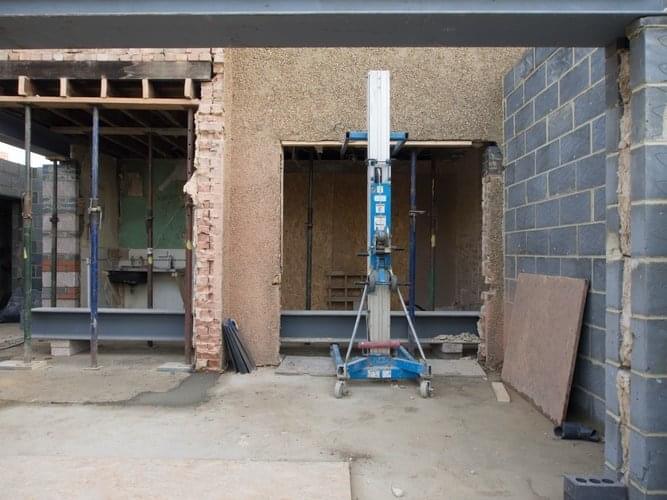
How Permits Affect Timeline and Cost
Permits can impact both schedule and budget. Delays in approval may extend construction timelines, while fees add to project costs. Planning early ensures smoother execution.
Tip: Start the permitting process before finalizing design plans to avoid costly delays.
Hiring the Right Contractor
Selecting the right General contractor is as important as planning the addition itself. A skilled professional ensures quality workmanship, adherence to code, and timely completion.
Architect vs General Contractor vs Design-Build
Understanding the roles of different professionals helps you choose the best fit:
- Architect: Designs the addition, creates detailed plans, may manage the project
- General Contractor (GC): Manages construction, hires trades, ensures timeline and budget
- Design-Build Firm: Handles both design and construction under one contract for a streamlined process
Questions to Ask Before Hiring
Ask potential contractors:
- Are you licensed and insured for this type of addition?
- Can you provide references from similar projects?
- How do you handle unexpected challenges or cost overruns?
Comparing Bids and Contracts
Carefully compare bids to ensure you get fair pricing without compromising quality. Look at:
- Detailed scope of work
- Material quality and brand specifications
- Timeline, payment schedule, and warranty coverage
Design Tips and ROI
A thoughtful design ensures your addition feels like a natural extension of your home while maximizing value. Smart design choices can also improve energy efficiency and appeal to future buyers.
Blending the New Space with Your Existing Home
Seamless integration preserves the home’s character. Consider:
- Matching architectural style, rooflines, and exterior finishes
- Aligning floor levels and sightlines for smooth flow
- Using consistent materials to maintain cohesion
Natural Light, Flow, and Functional Layout
Bright, open layouts improve livability and increase perceived space:
- Maximize windows and skylights for daylight
- Ensure smooth movement between rooms
- Prioritize functional zones for everyday use
Energy-Efficient Options
Sustainable choices reduce operating costs and add appeal:
- High-performance windows and insulation
- LED lighting and Energy Star appliances
- Efficient HVAC and water systems
Value Added to Your Home and Top ROI Upgrades
Certain features provide better resale value for home additions:
- Open kitchens, extra bathrooms, and master suites
- High-quality flooring and countertops
- Smart home technology and energy-efficient systems
Conclusion
Building a home addition is a smart way to expand your living space, enhance functionality, and increase property value. Successful projects combine careful planning, compliance with permits and codes, smart design choices, and hiring the right professionals. By selecting durable materials, integrating energy-efficient solutions, and prioritizing natural flow and aesthetics, your addition can feel like a seamless extension of your home.
FAQs
How much does a home addition cost in the US?
Do I need permits for a home addition?
What type of contractor should I hire for a home addition?
Which home additions provide the best ROI?